Valorant Low Cortisol Aim Explained
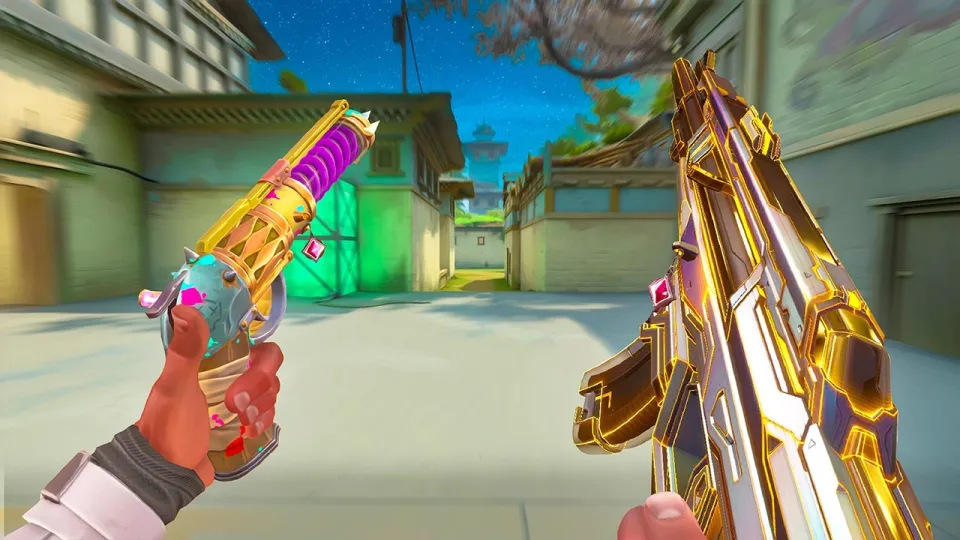
Video: low cortisol aim..
Need articles like this for your video? They help promote it on YouTube and Google — order them in the Telegram bot @sat_sit_bot. The bot writes and publishes the articles itself (with your YouTube video embedded) on popular topical websites (no ads). Try it free: 50 articles on us.
· based on the channel Rawzu
Valorant low cortisol aim is a community label for aim that stays smooth and unhurried under pressure: the crosshair moves in short, deliberate lines instead of flicking wildly, and the player keeps the same rhythm whether the round is won or lost. Rawzu's "low cortisol aim.." video is a Phoenix gameplay montage built entirely around that idea, and the PC optimization link in its description points to the setup side of the same equation.
What low cortisol aim means in Valorant
Low cortisol aim describes a mechanical style, not a medical claim: it is the opposite of the jittery, over-flicking aim players fall into when they are tense. In practice it shows up as a few repeatable habits.
- Crosshair placement at head level along the most likely angle, so the flick distance stays short.
- Micro-corrections instead of large swings — small wrist adjustments that keep the crosshair near the target.
- A fixed firing rhythm: tap or burst, reset, re-aim, rather than holding the trigger through a spray.
- Breathing and grip discipline, so the hand does not tighten mid-duel.
The phrase spread through clips and TikTok edits where the gameplay looks almost sleepy but the scoreboard is not — calm input, high output. Rawzu's montage fits that format: Phoenix utility, clean entries, and a crosshair that rarely overshoots.
Rawzu's Phoenix kit and why it suits calm aim
Phoenix is an offensive duelist who hunts enemies while crippling their ability to fire back, and every part of his kit rewards a player who is already composed. Blaze creates a wall that blocks vision and deals damage, letting Phoenix cross open, defended ground without exposing himself to a full site of angles. Curveball throws a flash that blinds enemies even when they are tucked behind corners, so the entry does not require a perfect peek — the flash does the work. Hot Hands adds a damaging molotov that also heals Phoenix when he stands in his own fire, which turns a bad trade into survivable pressure.
The ultimate, Run it Back, marks a spot and lets Phoenix die and respawn there with full health, which removes the fear that causes panicky aim in the first place. A player who knows the ultimate is available can take a duel he would otherwise avoid, and that confidence shows up as slower, more accurate crosshair movement. If you want to practice low cortisol aim, Phoenix is one of the most forgiving agents to do it on.
The settings behind the calm: sensitivity, resolution and crosshair
Rawzu lists a setup that is deliberately on the slower side, and slower sensitivity is the mechanical foundation of steady aim. His numbers, as published in the video description:
- Sensitivity: 400 DPI at 0.625 in-game
- Resolution: 1440x1080 (a stretched 4:3-style aspect that widens targets)
- Crosshair: 1-6-2-2
- Mouse: Logitech G Pro X Superlight 2
- Mousepad: Artisan Zero Soft
- Monitor: Zowie XL2566K at 360Hz
400 DPI at 0.625 is a low effective sensitivity by Valorant standards, which means arm movement does most of the turning and the wrist handles only the final correction. That split is exactly what keeps a flick from overshooting. The Artisan Zero Soft is a control-oriented cloth pad, and paired with a light wireless mouse it gives consistent stopping power — the crosshair decelerates where you want it to. A 360Hz panel does not make anyone calmer, but it does shorten the feedback loop when you are drilling counter-strafes and tap timing.
How to train low cortisol aim in your own games
You can build this style without copying anyone's exact numbers, because the method matters more than the settings. Start with a sensitivity you can control at close range, then add these drills.
- Run a deathmatch with a rule: no spray transfers longer than three bullets. Reset the crosshair between every burst.
- Practice counter-strafing before each shot so you are standing still when the bullet leaves — moving accuracy in Valorant is punishing.
- Use Phoenix's Curveball and Blaze to enter sites instead of dry-peeking; utility removes the need for a hero flick.
- Record one match and count overshoots, not kills. If the crosshair sails past heads, your sensitivity or grip is too tight.
- Keep the same warmup length every session so your first duel feels like your tenth.
A calm aim style also depends on hardware consistency. Frame drops and stutter break the rhythm that low cortisol aim depends on, which is why the video's description pushes a PC optimization service — the link is hone.gg/a/rawzu.
Reading the reaction: what viewers actually ask about
The comment section under the montage shows the questions this style of clip tends to generate. Viewers joke about the game looking like a different shooter altogether, which is a backhanded compliment about how clean the movement and aim look; others ask what was said at specific moments and note that the audio caught them off guard on speakers. One recurring request is for another full settings video, which suggests the audience treats the sensitivity and peripheral list as the actionable part of the content. The practical takeaway: people want to reproduce the feel, and the feel comes from sensitivity, mousepad control and repetition — not from a single lucky clip.
Useful links
- PC optimization for Valorant: https://hone.gg/a/rawzu
- Rawzu's original music on Spotify: https://open.spotify.com/artist/6DbATPR1PTNMx7U918bg1Q
- Rawzu's Discord community: https://discord.gg/axnFwyvxp3
Final thoughts on calm aim in Valorant
Low cortisol aim is less a secret technique than a discipline: slower sensitivity, controlled crosshair placement, and utility that lets you take fights on your terms. Rawzu's Phoenix montage works as a demonstration because the agent's kit — Blaze, Curveball, Hot Hands and Run it Back — rewards exactly that temperament. Copy the settings only as a starting point, then spend your deathmatches fixing overshoots rather than chasing highlight flicks. The channel Rawzu is the source of this breakdown, and if you want the same smoothness on your own machine, start with the optimization offer at hone.gg/a/rawzu.
Key takeaways
- Low cortisol aim is a Valorant term for calm, low-panic crosshair control, popularized by clips titled like Rawzu's "low cortisol aim.."
- Rawzu plays Phoenix, a duelist built around Blaze walls, Curveball flashes, Hot Hands and the Run it Back ultimate.
- His listed settings: 400 DPI at 0.625 sensitivity, 1440x1080 resolution, crosshair 1-6-2-2.
- Hardware: Logitech G Pro X Superlight 2 mouse, Artisan Zero Soft mousepad, Zowie XL2566K 360Hz monitor.
- The video's pinned link is a PC optimization offer at https://hone.gg/a/rawzu
Source: low cortisol aim.. · Markdown version
Questions & answers
What does "low cortisol aim" actually mean in Valorant?
It is a slang term for calm, low-panic aim: short crosshair corrections, consistent rhythm and no wild flicking, even in high-pressure rounds. It is not a medical or physiological claim, just a way of describing composed mechanics.
Do I need Rawzu's exact sensitivity to aim like this?
No. His 400 DPI at 0.625 is simply a low effective sensitivity that forces arm-driven turning and small wrist corrections. Any value that lets you stop the crosshair on a head without overshooting will support the same style.
Why is Phoenix a good agent for practicing steady aim?
Curveball flashes enemies out of corners and Blaze blocks vision, so you rarely need a blind hero peek. Run it Back also lets you take a duel without fear of dying, which reduces the tension that causes sloppy flicks.
Does hardware really matter for calm aim?
Consistency matters more than price. A control mousepad like the Artisan Zero Soft, a light mouse and stable high frame rates keep your input predictable, while stutter and frame drops break the rhythm this style depends on.